What is brand marketing?
Brand marketing is a long-term plan for a business to position itself in the market as the preferred option among buyers. A brand marketing strategy is about how your business connects with your audience emotionally and humanly.
Marketing is, after all – human – it’s about connecting a product or service with those who are in need of or want it. It’s about telling the story of how your solution can provide the change your customer desires. Why people should buy your product and the reason to fall in love with your brand and feel aligned with your purpose.
Your brand is more than just your logo and your advertising, it’s the soul of your company and the north star to every decision you make. For small business owners looking to create love for their brand, this simple framework will help you to develop a brand marketing strategy. We call it a Brand Playbook.
What is a Brand Playbook?
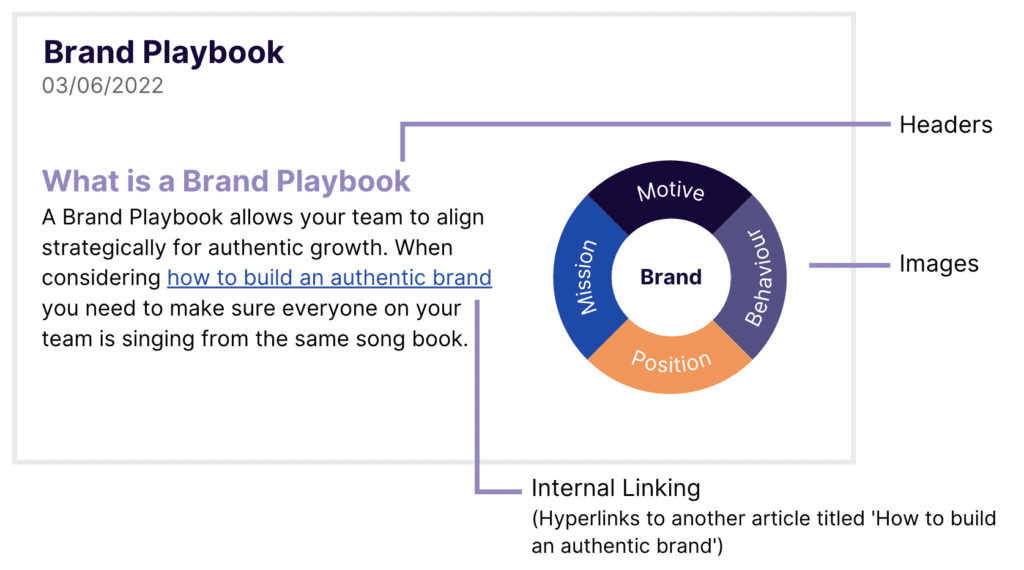
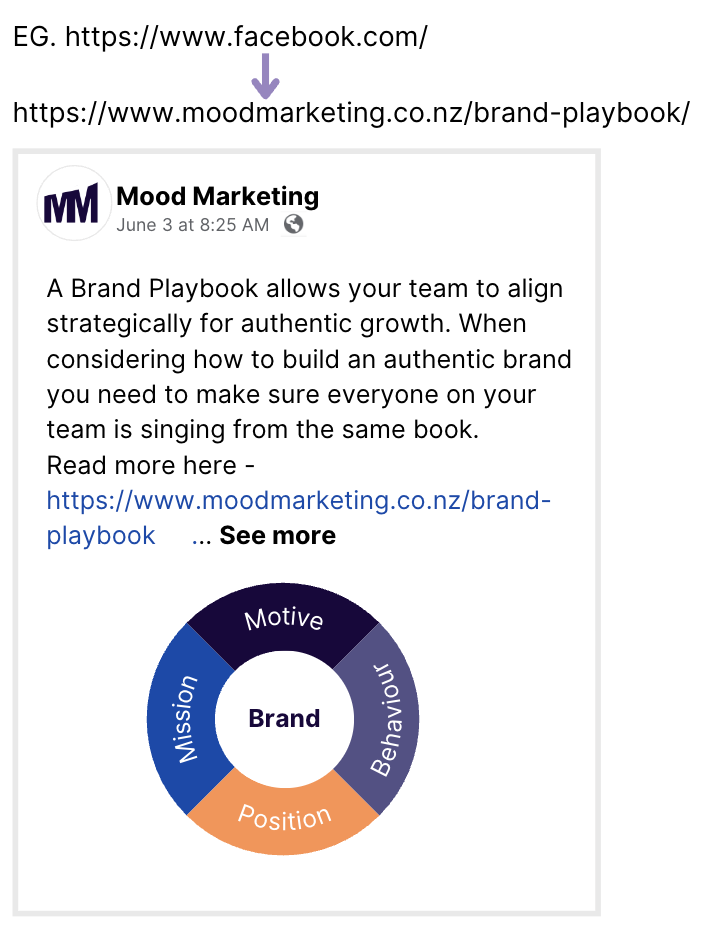
A Brand Playbook is a guiding document that aids consistency, collaboration and clarity across your business. It is a living, breathing document that helps you make strategic decisions about your business, your marketing and your overall vision for the future. It’s a bit like your business bible, you and the people who work for you have to believe in it.
When considering how to build an authentic brand, everyone on your team should be singing from the same song book. Because when you don’t, your customers get confused about who they are doing business with and they second guess their decision to part with their money. Consistent brand building creates trust from your customers which leads to your greater share of the market. Keep reading to learn more about how to build your brand marketing strategy consistently and authentically.
Components of a Brand Playbook
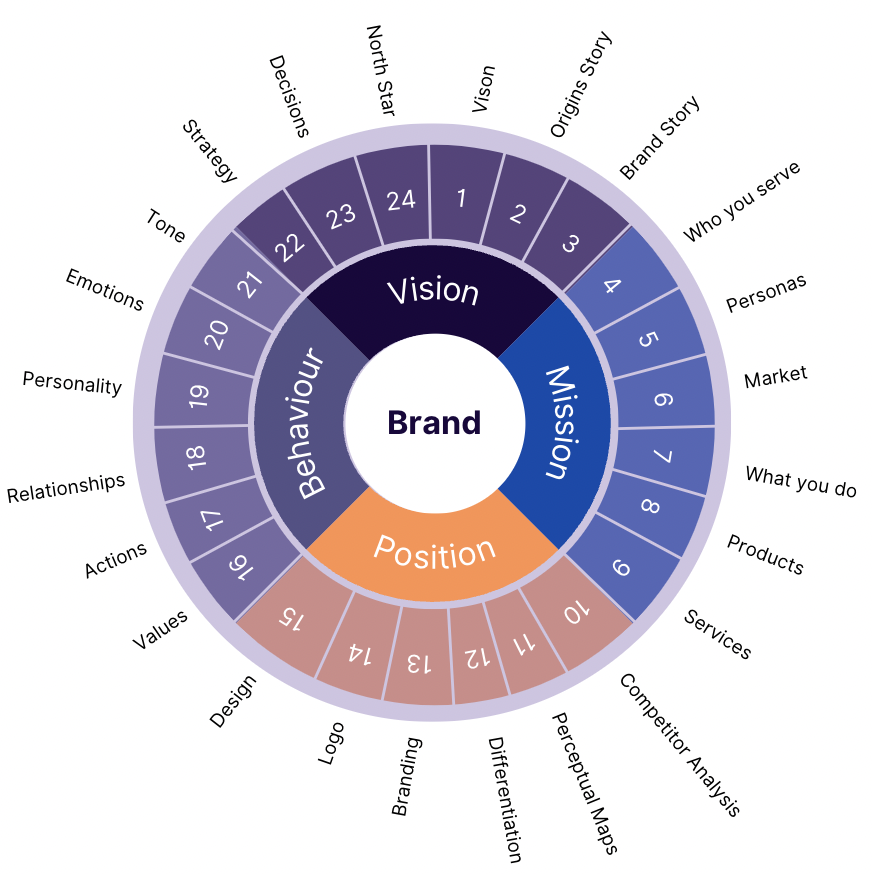
There are four main components of a Brand Playbook that you should consider carefully and define clearly before diving into any marketing or business decision, these are your vision, mission, position and behaviour. Without a Brand Playbook as your north star, how do you make strategic business decisions with confidence? Gut feelings can only get you so far, and not everyone in the business will have access to your gut!
Every small business owner or entrepreneur will tell you – to scale your business, you cannot do it alone. With this brand marketing strategy your team will be empowered to make decisions with confidence.
Let’s break each of these down in detail:
Vision
A brand vision is a statement that describes why your company exists.
Guiding
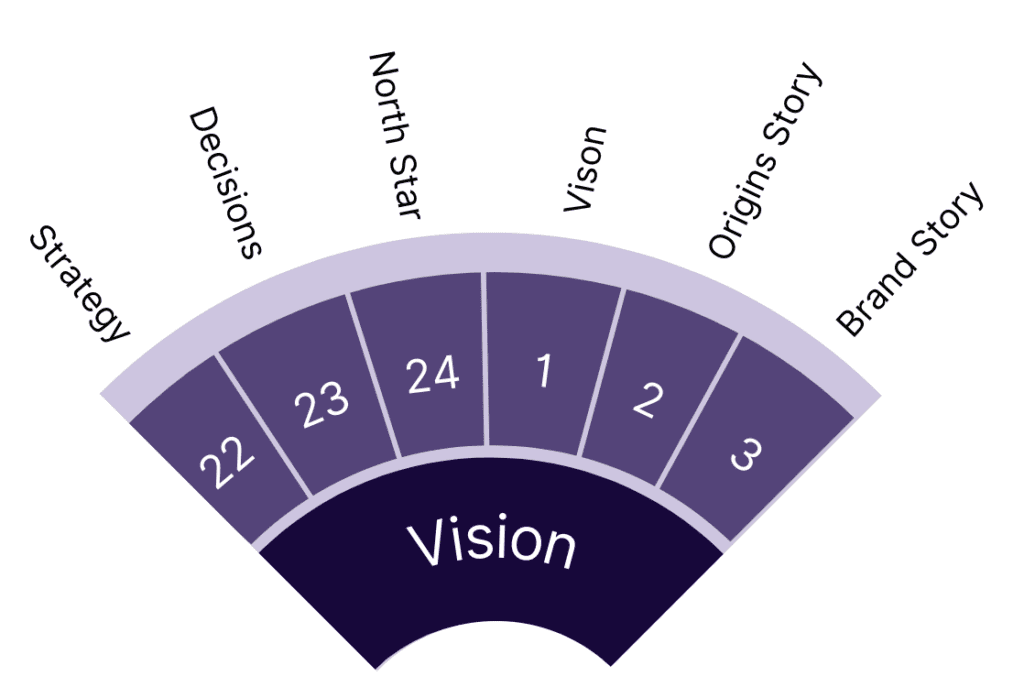
Your vision will act as your company’s north star. When reviewing the past quarter of activity of your business, you should hold up your vision statement and ask – ‘What progress have we made in achieving our brand vision?’ It should hold your business accountable for what it sets out to do and be a tool at decision-making time. When considering who to hire, who to partner with and what services or product to develop, they should all strongly align with your brand vision.
Inspirational
Your vision should inspire customers to want to do business with you and your staff to want to work for you. It should be something that people can align with and feel something towards. Your brand vision should give your staff a purpose and a reason to jump out of bed in the morning – they should be able to believe in what they are doing and feel like they are making the difference you set out to make.
Lofty
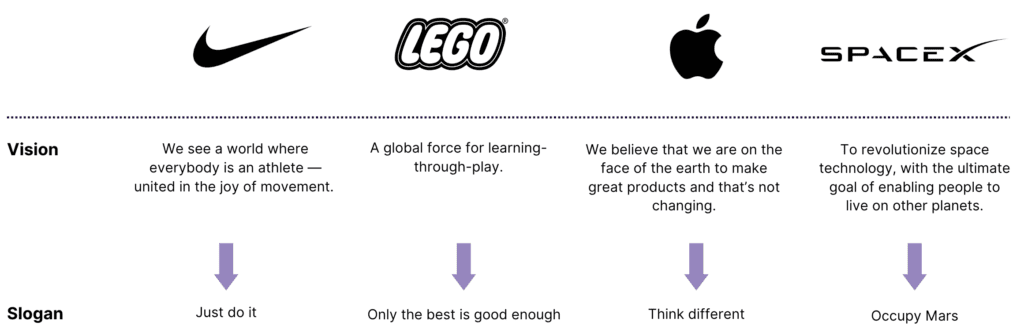
Your vision should be aspirational, almost to the point where you wonder if you’re dreaming. You should aim high and make it something that will change the world in a significant way. It should be something that will sustain your company vision for a long time. Don’t make it something that can be achieved within the next 3 years. Think of a purpose that will be big enough to allow your company to grow long into the future. Once you have created a powerful vision statement you can then shorten it down into a memorable slogan.
Examples of vision statements:
Create your own brand vision
How to create a vision statement
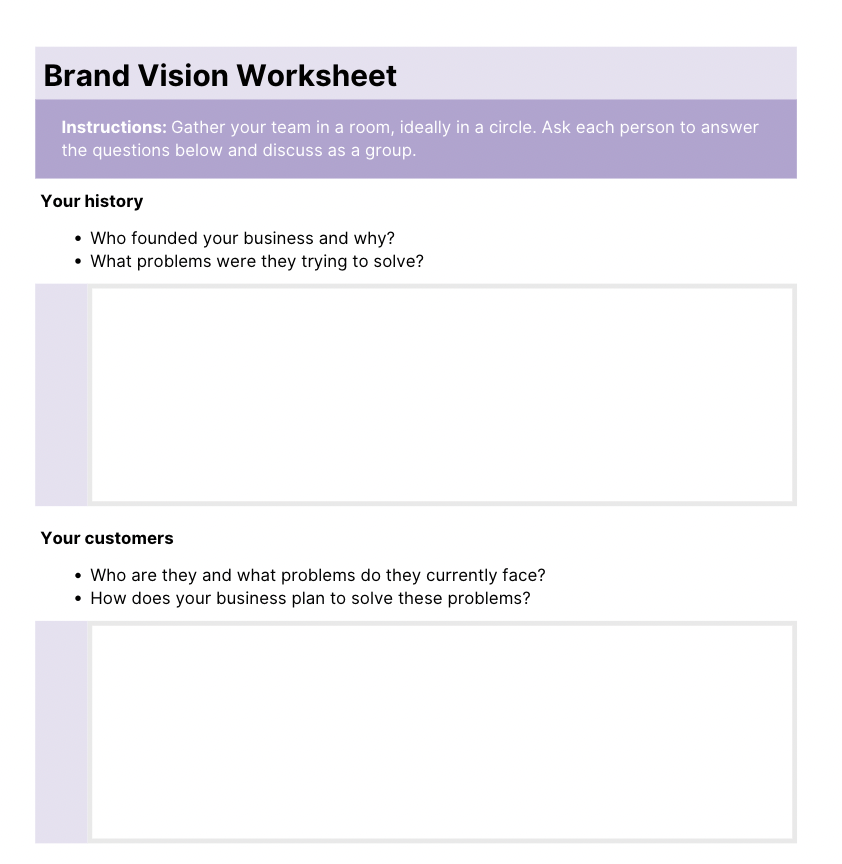
Start by gathering your team, get in a room and invite the founders of the company, learn their story and document the businesses origins. Don’t be a hero and write it yourself, get as many opinions and eyes on it. Simon Sinek’s Start with why is a great read to get you in the right frame of mind.
- Why does your company exist?
- Why are you driven by your goal?
- Why do you seek to change the world?
- What is your goal for a future state?
- What vision of the future do you have?
- What change do you want to see in the world?
- What difference do you want to make?
Mission
A brand mission defines who you serve (your market) and what you do (your products and services).
Defining these two things as your mission statement will give your team direction and focus. As part of this focus you should have a solid understanding of the problems your customers face and the value your products and services bring to them. It’ll help make your product and services better and your messaging clearer.
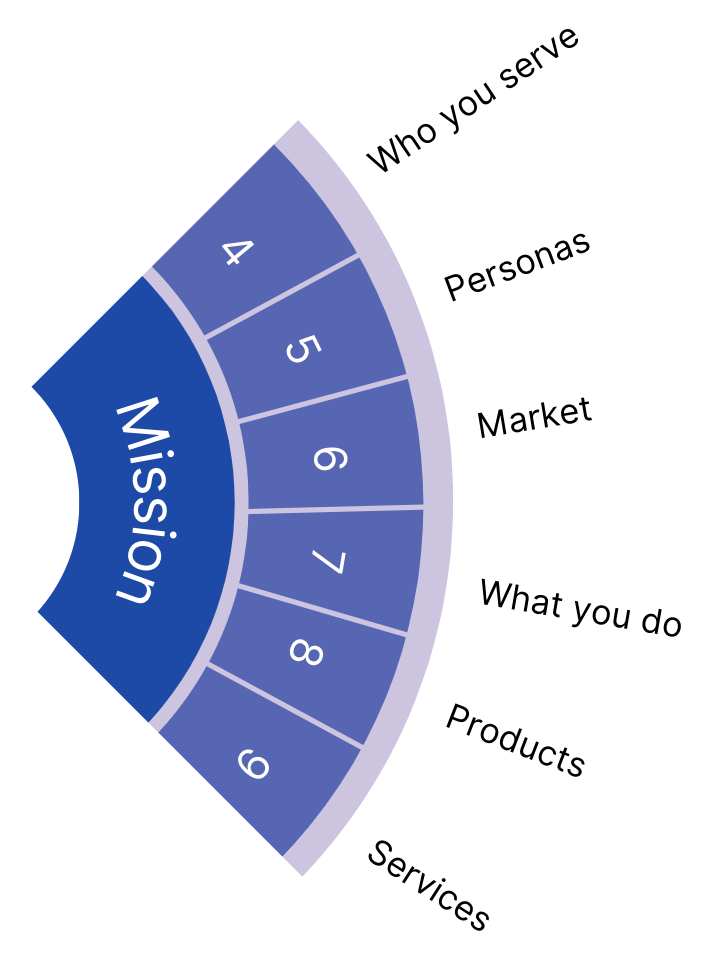
Personas
Define who you serve. Create target personas and think about their demographics, psychographics, and influences. Understand their pain points, desires and challenges. There are often different motivators for a B2C customer than a B2B customer. Consider the buyer journey and the decision making process. At the end of the day you are marketing to humans, you must understand them to be able to serve them.
Market research
Now you have identified who you are targeting, it’s a good idea to validate your efforts by ensuring your target market is large enough. Make sure you gather research from valid sources and go and speak to as many real humans as you possibly can. You may find that this exercise informs and enhances your personas and can help you develop better products and services and target the right people for marketing campaigns.
Define what you do
This may change as you refine your products and services to better serve your market. It’s a crucial step to not only give your team a clear direction on what they work on every day, but to inform your customers on what exactly you can do for them. What are you selling? Sometimes marketing messaging can be so focused about the benefit that they forget to mention what they are actually selling.
Position
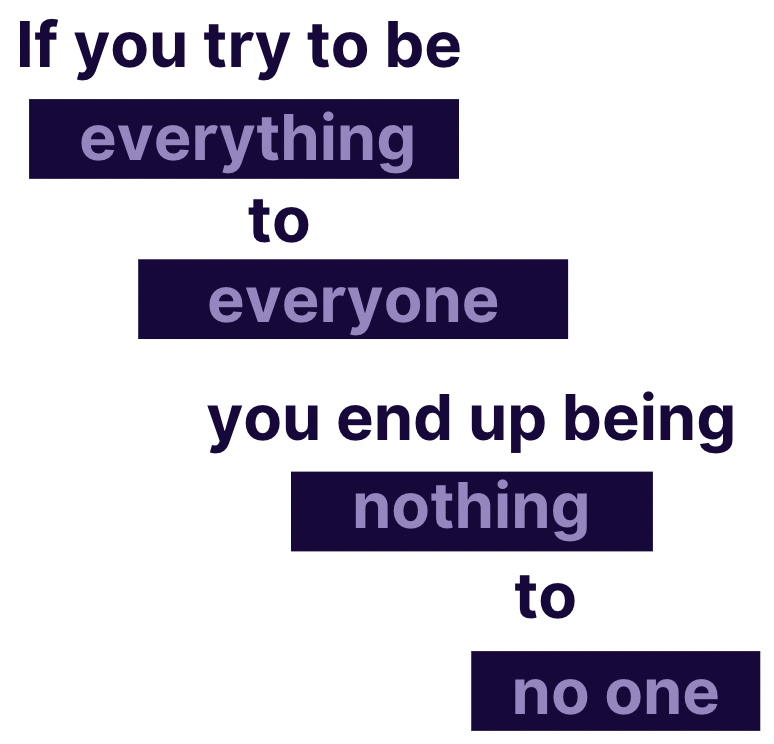
To strongly position your brand you need to be aware of market competitors. You should have an understanding of the competitor landscape to not only measure your market share but to understand how your customer might compare your solution to a competitor’s. Learn what other businesses do by conducting competitor research. Use this knowledge to market your offering more effectively than the competition.
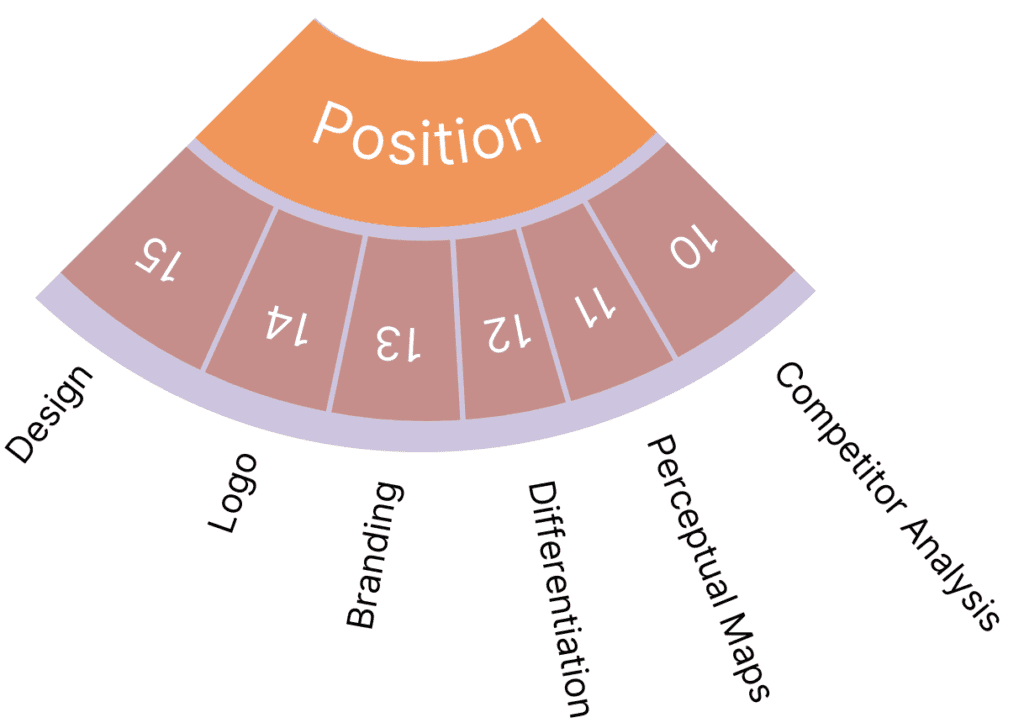
Competitor analysis
Most small businesses have never researched their competitors which is an alarming discovery for most. Oftentimes they are too scared to look outside the walls of their company and would rather not know who they are competing with.
“Many businesses find themselves wrong-footed, not because they did something wrong, but because they failed to anticipate changes in the market.” Source: Qualtrics
Simple competitor research can be done by searching online for similar solutions in your market. Be brave, do your research, understand what’s out there and then build a strategy to offer something better to the market.
Perceptual maps
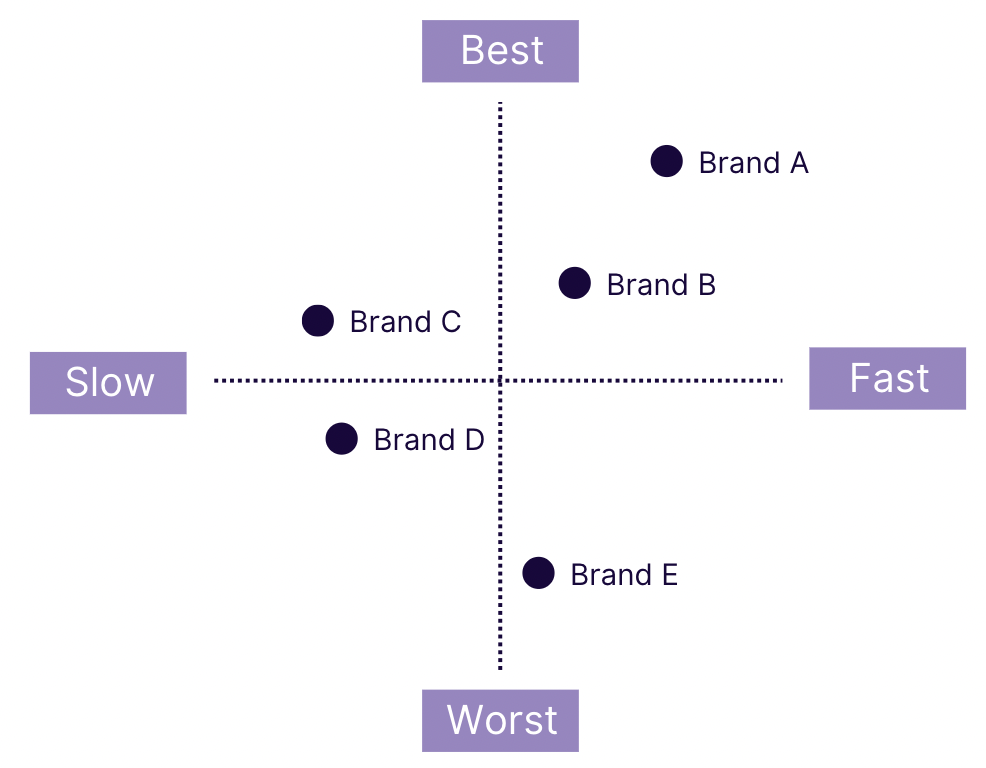
Once you have identified who your biggest competitors are it’s a useful exercise to develop perceptual maps. A perceptual map is a visual representation of where your brand sits in the minds of your customers in comparison to other solutions in the market. The key here is not to use your biassed opinion, but to gather real feedback from customers in the market. Understand what’s most important to them when they are considering your solution. This will help you differentiate your unique selling proposition (USP).
Branding
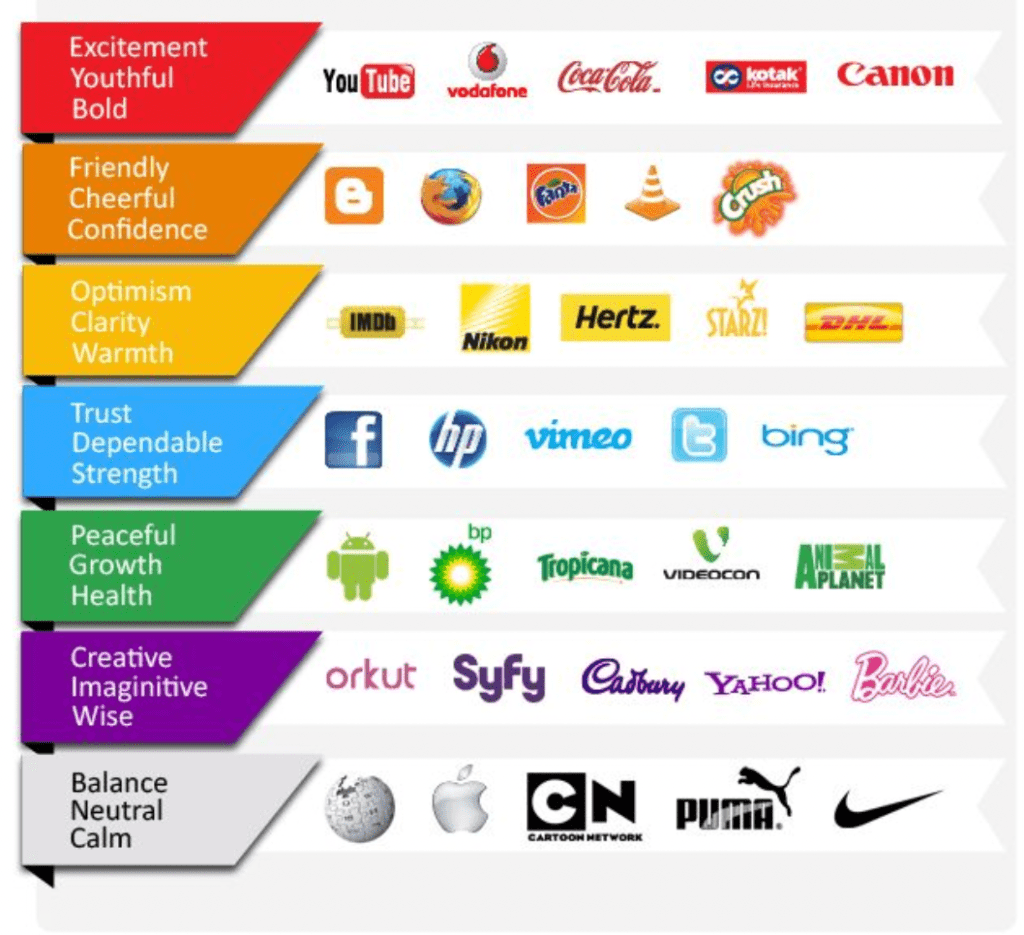
The biggest confusion out there is making an assumption that ‘brand’ is just the logo and the font of your business. Brand is about the soul and meaning of your business. Your branding on the other hand, is about the visual elements that become the visual identifier for people to associate a certain feeling for your brand when they see your branding. There are a few things to consider when creating your branding and positioning its visual elements in the market.
- Make sure your branding is unique to your competitors. Stand out from the crowd.
- Think about colour psychology in relation to how you want your customers to feel.
- Choose colours and visual elements that are harmonious and not jarring.
- Get input from your customers, what aesthetics do they like?
- Hire a graphic designer to help develop your branding guidelines.
Stick to your brand guidelines
Brand Managers will tell you that sticking to your guidelines is one of the most important rules for building a brand. Sticking to brand guidelines is not just about using consistent language and messaging, it’s also about creating recognition of your solution through the branding applied. The more people who associate your logo or your brand colours with your solution the more recognition, brand awareness and brand love you can gain.
Behaviour
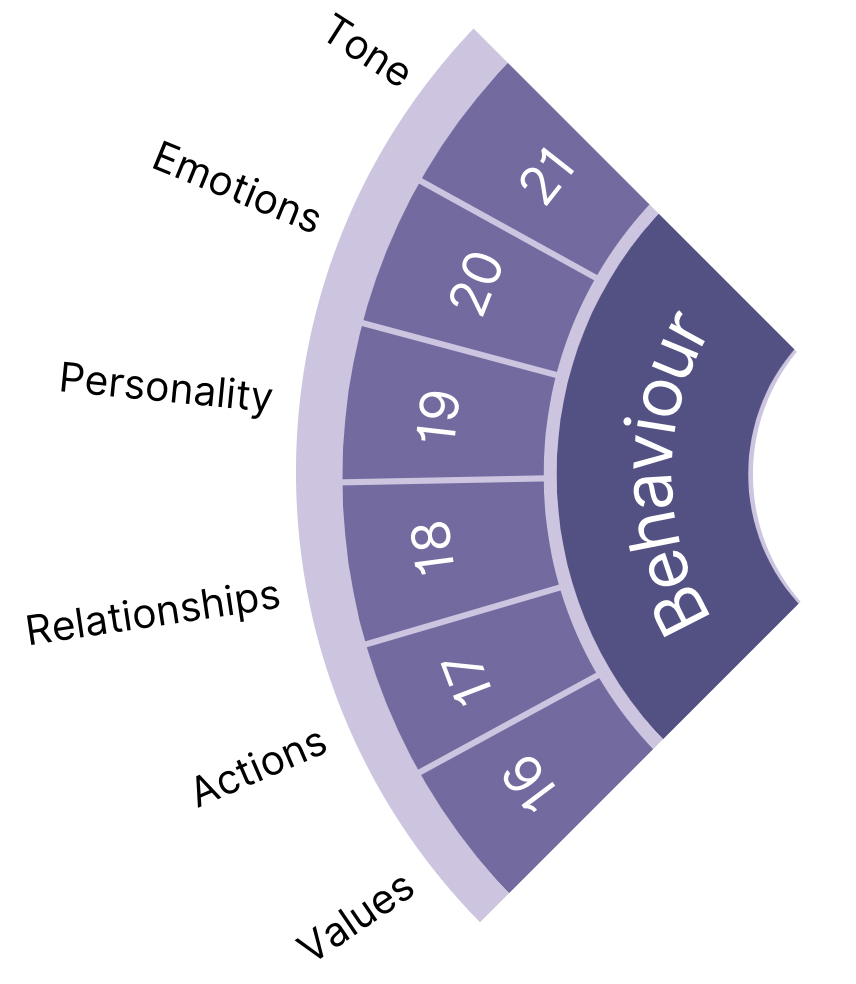
Brand behaviour or brand values are a set of guiding principles for how you behave with people in the market. It’s how you make them feel, how you talk to them, and how you build relationships with them. This is where your brand can come to life.
Brand values
Brand values are often the boring, corporate list of words that don’t mean anything to anyone. You know the ones, integrity, excellence, innovation, blah, blah, blah. Your values should be meaningful, they should be actionable (verbs), and they should be developed with your team’s input not from the business owner alone.
Authenticity is a key part of building a brand and growing your audience. However, when you have defined a specific set of values to work towards, it can be difficult to come across as authentic, especially if you have had to ‘tell’ your staff how to act.
Actions
There are tactics to make this easier and it starts with clarity, and ensuring you are hiring the right kind of people who align with the values you have defined. You cannot simply tell your staff to be ‘innovative’ and expect them to understand what you mean. Make sure your values are ingrained in the way you do business. For example, if you want to create a culture of innovation, give your staff the creative space and permission to think wildly about a problem.
Software company Atlassian has done an incredible job of building a culture of innovation. Likewise if you want to create a culture of ‘integrity’, make sure you are setting a good example of what that means. Reward your staff for ‘living and breathing’ the brand values to encourage the same behaviour from the rest of your team.
Relationships
Relationships are a key part of business growth, but humans are messy and it can be difficult to create a consistent experience for customers when multiple members of your team are involved in delivering the solution. Think about the customer journey and the experience you want them to have with your brand. How do they feel when they speak to different members of your team? Do they feel like those people are giving them the same experience?
HubSpot does a great job of creating a company we love, by making every touchpoint feel the same. You feel from every sales rep, onboarding specialist and customer support staff that they truly want you to succeed. It should feel like they are on your team and rooting for you. You walk away from an interaction with them having ‘felt’ like you know them and appreciate the culture they have as a company, and it makes you fall a little bit in love with their brand.
Personality and tone
Define your brand language guidelines to describe how you want your brand to sound. Is it cheeky? Is it formal? Do you have a mascot or character that helps bring your brand to life? Make a list of do’s and don’ts with examples of written copy for each. Define the words you use and the meaning they have. Again, think about how you want your customers to feel when reading or hearing your words and tone. What emotions do you want them to associate with your brand?
Defining the personality and tone of your brand is equally as important as the visual branding guideline. Your brand language guidelines will allow your staff members to individually produce consistent work that sounds like your brand. By having these guidelines in place you will be able to build trust with your customers and meet their expectations at every touchpoint.
Next steps
So there you have it – a guide on how to develop a brand marketing strategy. Next comes the fun part, putting it into practice and using it to grow your business, consistently and authentically.
Use your Brand Playbook when making key strategic decisions about your business. As your north star, it can guide you towards your purpose, allowing you to make business decisions with confidence. Start building your playbook today!